
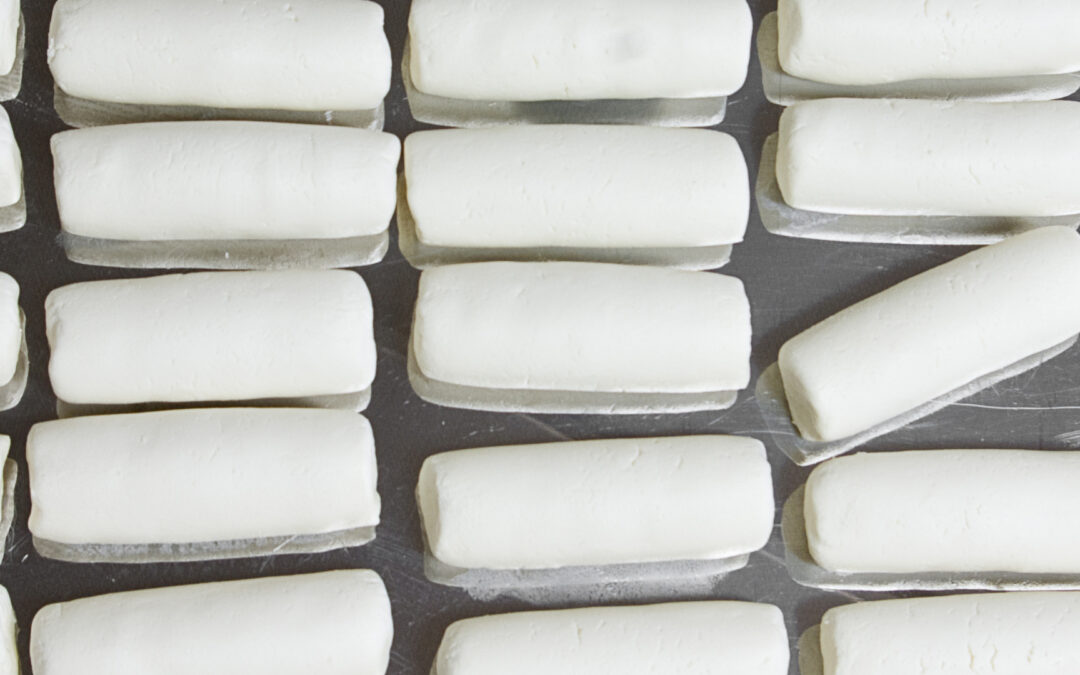
Cheese is a living food. Did you know that various bacteria are partly responsible for the flavour and texture of every cheese? Want to keep the intricate flavours and texture that you love? Here is how.
There are two main factors to keep in mind:
- Letting your cheese breathe without drying it out.
- Knowing the different types of cheeses and what storing method works best for each.
Don’t know much about the different types cheese? Don’t worry; I will break down key points in future blogs while sharing the fascinating world of cheese in the process.
Let’s look at the various storage options and the pros and cons of each.
Vacuum packaging
It is very common for cheese to be sold vacuum packed. It assists in getting the maximum shelf life. With all the air removed, mould and unwanted bacteria can’t thrive as easily, extending the cheese’s life. The downside is that is keeps the moisture in and the cheese can’t expel the ammonia released from the bacteria within the cheese. This has an impact on the taste profile – perhaps not as evident but it is there none the less. Plastic also tends to impart a “plastic” taste on the cheese, which is very prevalent when using cling wrap. It’s less common with vacuum bags as the quality of the plastic is better. But not everyone owns a vacuum machine. So what are your options when you’ve opened up that piece of cheese and you want to save some for next week?
Cling wrap
Most people reach for the cling wrap first and for the most part it works quite effectively. It keeps the air out, preventing it from drying out and mould growing excessively. But it also keeps the moisture in and encourages accelerated mould and unwanted bacterial growth in the nooks and corners that’s not sealed off directly on the cheese surface. The plastic can also influence the flavour profile negatively with a “plastic taste”. It remains a convenient option, but it’s not advisable to store cheese this way for longer than a few days, as the plastic taste gets really prominent.
Aluminium foil
Aluminium foil has pretty much the same effect as cling wrap. It doesn’t breathe, keeps moisture and gasses in, and thus creates an environment for unwanted bacterial growth. The advantage that it has over cling wrap though is that it imparts a less prominent flavour than plastic. And because it’s opaque, light is kept out and doesn’t encourage bacterial growth.
Cheese paper
Cheese paper is specifically made for storing cheese and the most ideal for preserving the flavour and texture of the cheese. It is made out of paper and coated with a thin layer of plastic. The plastic layer has tiny holes allowing the cheese to breath. It is also opaque keeping light out, and it wraps tightly enough around the cheese. Unfortunately it is not easily accessible in South Africa and very expensive.
Wax/parchment/greaseproof paper
These papers are the closest to cheese paper and have similar properties. The paper itself doesn’t allow the cheese to breath, but because it doesn’t wrap as tightly around cheese, as for instant cling wrap does, air and moisture is still able to escape without drying the cheese out, it is also opaque keeping light out.
Conclusion
There isn’t one perfect solution to store your cheese. The best way to avoid letting your cheese degrade or spoil is to buy less at once, and only buy what you can consume in a weeks’ time. Also remember that the best place to store your cheese in the refrigerator is in the vegetable drawer where the temperature is more consistent. Between 4 and 7 degrees Celsius is ideal. But if you couldn’t resist the temptation to buy more than what you needed, here are our suggestions on how you can save the day:
For hard or semi hard cheese (cheddar, gouda, emmentaler, mozzarella, etc) the best solution would be to store it in cheese paper, but it isn’t easily accessible or affordable. The alternative is to carefully wrap your cheese in wax/parchment/greaseproof paper. You want to fold it as neatly as possible to get the best possible seal. Here is an example of how you can achieve that perfect fold:

How to wrap your cheese
With all of this said, there is one storage method that still needs to be discussed. This method is very much frowned upon by cheese connoisseurs, and with good reason. But sometimes you have to get practical with what you have and what you are given. We are talking about freezing cheese. The reason why it is not the best idea to freeze cheese is that it impacts the texture of the cheese negatively and the cheese can become watery. Especially cheese that has a higher moisture content. The moisture freezes – forming crystals, which then expands and breaks the structure of the cheese leaving it crumbly. Because the structure is damaged, the moisture that was previously part of the cheese leeks out once it is thawed and renders the cheese watery. A block of cheddar will thus freeze better because it contains less moisture. Some important factors to remember when freezing cheese:
- Goat’s cheese freezes better than cow’s cheese. The molecular structure is finer and handles freezing better.
- Milk, especially goat’s milk freezes very well without any compromise. It is important to note that it must be kept under minus 20 degrees Celsius or the milk might spoil.
- Portion the cheese in such a way that you can take out only what you need. You don’t want to refreeze the cheese as this can allow unwanted bacteria to grow and spoil the cheese.
- Make sure to package your cheese properly to seal of oxygen and avoid freeze burn. This can be in wax paper within a Ziploc bag, or in cling wrap, or if you have a container of cream cheese that has been used half way, you can pour a layer of olive oil on top to seal it.
- It is also important how you thaw the cheese. The best way is to leave it in the refrigerator overnight. A microwave creates hot spots and heats up parts of the cheese affecting the texture and flavour in those parts. Milk especially, as it causes small jelly like pieces to form in those areas and the milk starts to separate. If you are in a hurry to thaw some milk or cheese, rather put it in a sink of hot water and stir the water every now and then. Just ensure that the cheese is in a bag or container that is properly sealed off and won’t let any water in.
The taste and texture slowly starts to degrade over time in the freezer. Don’t freeze milk or cheese for longer than 3 months. Remember that you can always use cheese to cook with if you notice that the cheese’s flavour or texture has been compromised in the freezer. It will give any cuisine that extra flavour. You can even grate that block of cheddar or gouda beforehand and use it out of the freezer in lasagne or over baked vegetables. However you choose to store or use cheese, find a way that works for you.
Now go out and explore the world of cheese! Until next time… Cheese salutes!